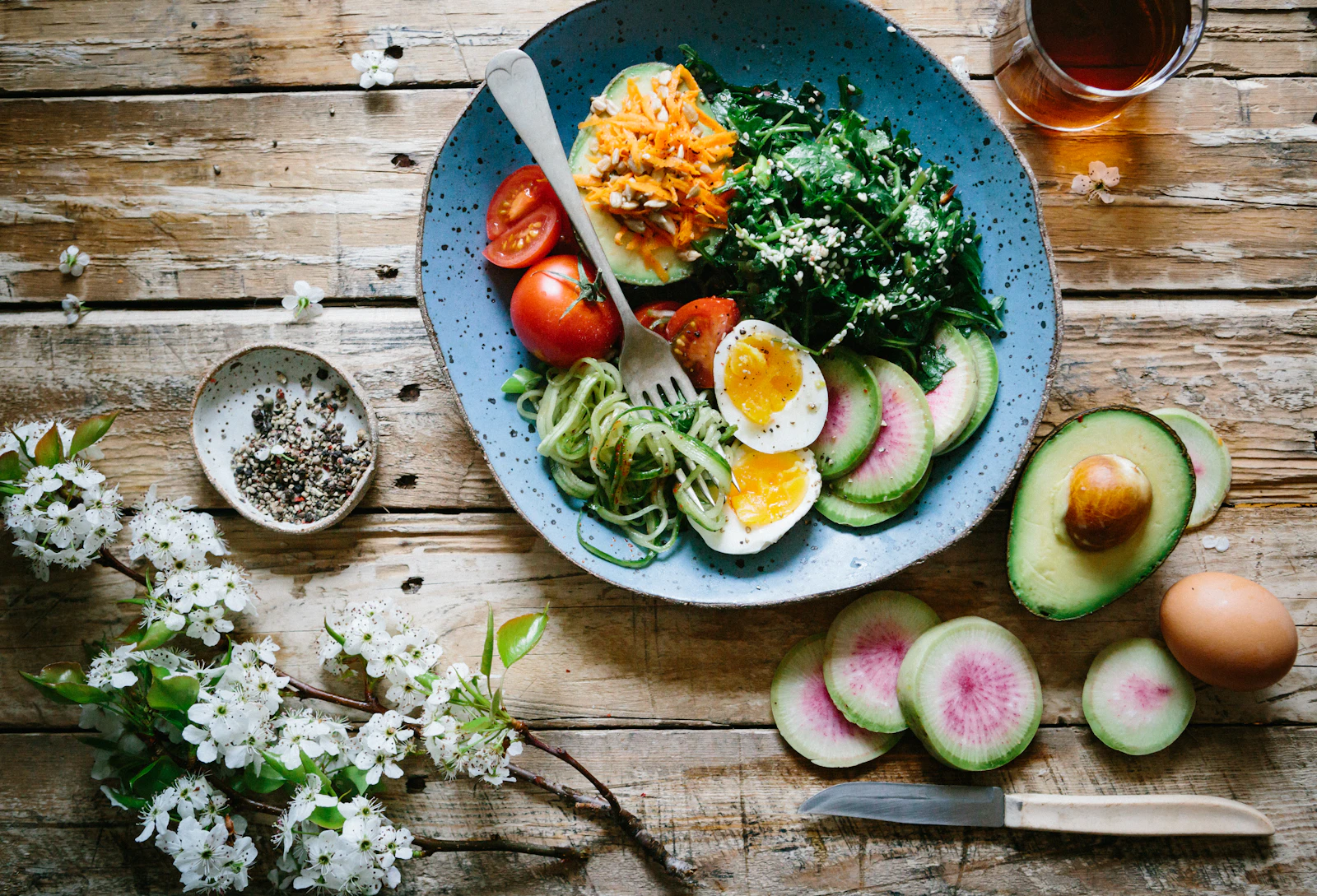
Why this topic matters in real life
Dinner Salads That Feel Filling Instead of Like a Side Dish works best when you reduce friction in the kitchen. That means deciding what can be prepped early, what should stay flexible until serving, and which finishing details make the meal feel fresh instead of routine. When protein anchor is planned with starch support and backed by crunch and dressing, the result is faster cooking with less waste and less decision fatigue.
Start with protein anchor
protein anchor matters because it changes how the rest of the meal behaves. When this part is handled early and kept simple, you spend less time fixing mistakes later and more time assembling a meal that still tastes deliberate.
Use starch support to keep the meal flexible
starch support is what stops a good idea from turning into a rigid plan. It gives you room to swap ingredients, adjust portions, and use leftovers in a second format without feeling locked into one outcome.
Finish with crunch and dressing
crunch and dressing is often the difference between food that merely fills the plate and food that feels satisfying. Texture, seasoning, or serving strategy at the end can rescue an ordinary meal and make it worth repeating.
A practical routine that keeps the plan usable
Step 1: Prep the part that controls the pace
Start with protein anchor so the highest-friction task is already handled before the meal window gets tight. That first step should shorten the rest of the work, not add more dishes for the sake of feeling productive.
Step 2: Keep options open with starch support
Use starch support to create two or three serving paths instead of one fixed result. This makes the plan more resilient when appetite, timing, or available ingredients shift during the week.
Step 3: Add crunch and dressing right before serving
Saving crunch and dressing for the end helps preserve flavor contrast and keeps leftovers from feeling flat. That final move is small, but it makes home cooking feel much less repetitive.
Common mistakes that create extra stress
- Adding too much complexity before the basic routine is stable.
- Ignoring the moment where starch support usually breaks the plan.
- Skipping the simple finishing step that makes the result feel repeatable.
Simple weekly checklist
- Plan around protein anchor first.
- Use starch support to keep meals flexible.
- Save crunch and dressing for the finishing stage.
- Keep one low-effort backup option ready.
- Review what actually got eaten so next week is easier to plan.
FAQ
How can I make dinner salads that feel filling instead of like a side dish easier to repeat?
Keep the base simple and let variety come from sauces, toppings, or serving format rather than from rebuilding the whole meal from scratch.
What usually causes this plan to fail?
Most failures come from overcomplication, overbuying, or choosing a routine that only works on ideal days.
What should I improve first?
Start with the step that removes the most weekday friction. Better flow in the kitchen is usually more valuable than adding more recipes.