Why this approach works
Packed salads hold up when the ingredients are layered by moisture and weight. Dense items belong at the bottom, greens stay near the top, and dressing should only touch ingredients that can handle it. When you add a real protein and a grain or bean component, lunch becomes steadier and more satisfying.
Start with the highest-impact move
Choose sturdy greens or chopped vegetables that survive storage better than delicate leaves when lunch is packed early.
Keep the routine realistic
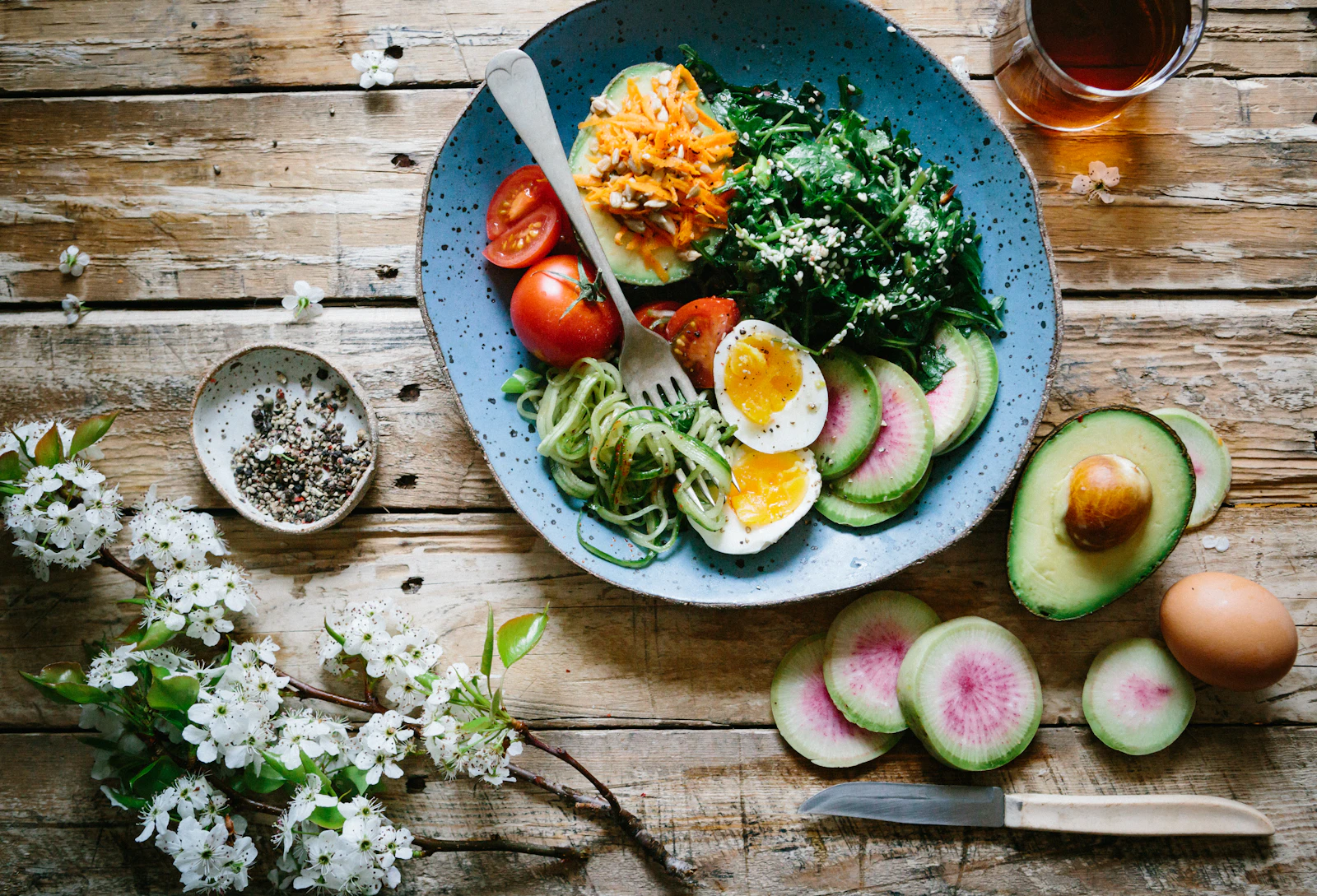
Treat protein as the center of the meal. Beans, chicken, eggs, tofu, or tuna should be visible, not an afterthought.
Make follow-through easier
Pack texture separately. Seeds, croutons, nuts, and crispy toppings should stay dry until the moment you eat.
A reliable layering method for packed salads
Step 1: Build the bottom layer
Start with beans, grains, chopped cucumbers, carrots, or other sturdy ingredients that can sit with dressing for a few hours without collapsing.
Step 2: Place the greens on top
Keep lettuce, herbs, or tender greens away from liquid until the last possible moment.
Step 3: Store the crunch separately
Add nuts, seeds, pita chips, or crispy chickpeas right before eating so the lunch still feels fresh and intentional.
Common mistakes that waste time or energy
- Pouring all the dressing over delicate greens at breakfast time.
- Using only lettuce and raw vegetables without enough protein or carbohydrate to keep you full.
- Cutting ingredients too large, which makes a packed salad harder to mix and eat at work or school.
Simple weekly checklist
- Pack the dressing in a separate container when possible.
- Use one protein and one hearty vegetable base.
- Add a grain or bean for staying power.
- Keep crunchy toppings dry until lunch.
- Taste the salad before packing to check seasoning.
FAQ
Which greens travel best?
Chopped romaine, kale, cabbage, and spinach blends usually hold up better than very delicate leaves for packed lunches.
How do I stop salads from feeling unsatisfying?
Add a real protein, include a starch or bean, and use enough seasoning so the meal feels complete rather than sparse.
Can I prep salads for several days?
Yes, if you keep wet ingredients and crunchy toppings separate and choose sturdy components that improve or at least hold their texture over time.